

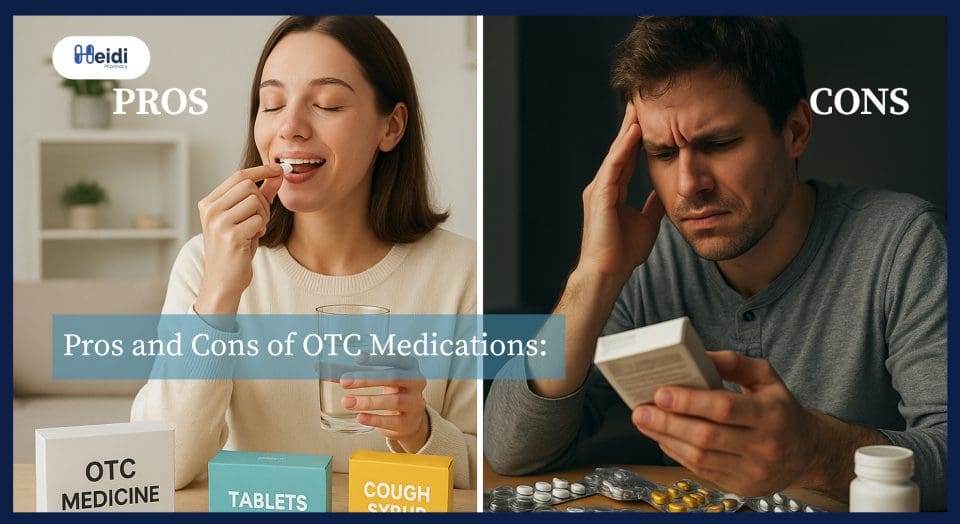
In today’s fast-paced world, having quick access to healthcare solutions has become a necessity. From headaches and indigestion to seasonal allergies and the common cold, many of us turn to OTC drugs to find fast relief. These over-the-counter options can be incredibly helpful—but are they always the right choice?
At Heidi Pharmacy, we believe in empowering you with accurate and easy-to-understand health information. In this article, we’ll break down the pros and cons of OTC medications, highlight important safety tips, and help you make smarter choices when treating yourself or your loved ones.
What Are OTC Drugs?
OTC drugs—short for over-the-counter drugs—are non-prescription drugs that you can buy without a doctor’s prescription. They’re widely available at your local drug store, supermarkets, and even online. These medicines are approved by regulatory bodies like the FDA and are generally safe for use without direct supervision, provided you follow the directions.
Examples of Common OTC Drugs:
- OTC cold medicine (for colds and coughs)
- Pain relievers (like acetaminophen or ibuprofen)
- Allergy medications (like loratadine or diphenhydramine)
- Antacids (for heartburn and gas relief)
- Over the counter medicine for stomach pain (like simethicone or bismuth subsalicylate)
While OTC drugs are effective for many mild and short-term conditions, they’re not suitable for every scenario. Let’s explore their advantages and limitations.
Pros of OTC Medications
1. Easily Accessible
One of the biggest advantages of OTC drugs is their convenience. You don’t need a doctor’s appointment or a prescription to purchase them. Whether you’re at a nearby drug store or shopping online, access to relief is just a shelf—or click—away.
✅ Example: Got a sore throat in the middle of the night? Grab an OTC cold medicine from your cabinet without waiting for a doctor visit.
2. Budget-Friendly Option
Healthcare expenses can be overwhelming. But most over the counter products are significantly cheaper than prescription drugs, especially when you factor in the cost of doctor consultations.
💡 Tip: Generic brands of otc over the counter products often contain the same active ingredients as brand-name versions at a much lower price.
3. Empowers Self-Care
Having access to non prescription drugs allows individuals to manage minor health issues on their own. Whether it’s using over the counter medicine for stomach pain after a heavy meal or treating mild allergic reactions, OTC drugs support proactive wellness.
🩺 This freedom encourages patients to take control of their health in a responsible way.

4. Time-Saving Treatment
Busy schedule? OTC drugs offer a quick solution to symptoms that would otherwise take time to diagnose and treat with prescription drugs. In just minutes, you can begin managing discomfort, congestion, or nausea without stepping into a clinic.
🕒 No waiting in line, no paperwork—just fast relief.
5. Wide Range of Uses
There’s an OTC drug for almost every minor condition:
- Fever? Try acetaminophen.
- Allergies? Antihistamines.
- Constipation? Laxatives.
- Common cold over the counter medicine? Multi-symptom formulations.
The availability of targeted meds means quick relief is often within reach.
Cons of OTC Medications
1. Risk of Misuse or Overuse
Without proper guidance, it’s easy to take too much of an OTC drug, especially if you’re using multiple products at once.
⚠️ Example: Taking two different otc cold medicine products that both contain acetaminophen could lead to an accidental overdose, potentially damaging your liver.
2. May Mask Serious Health Problems
Sometimes, the symptoms you’re trying to suppress could be signs of a deeper issue. Using over the counter meds without understanding the root cause can delay proper diagnosis.
❗ Using over the counter medicine for stomach pain could relieve temporary discomfort, but it might also hide symptoms of ulcers, gallstones, or other serious conditions.
3. Side Effects and Allergic Reactions
Even though OTC drugs are generally safe, they can still cause side effects like dizziness, upset stomach, or drowsiness. People with existing health conditions or allergies need to be especially cautious.
🧠 Diphenhydramine, a common ingredient in otc cold medicine, may cause drowsiness and confusion, especially in older adults.
4. Interactions with Prescription Drugs
Taking OTC products alongside your current prescription drugs may cause interactions that reduce effectiveness or lead to complications.
🔄 Ibuprofen can interfere with certain blood pressure medications and increase the risk of stomach ulcers when combined with other meds.
5. Not Meant for Long-Term Use
OTC drugs are designed for short-term relief. If you’re relying on them for more than a few days, it’s time to consult a healthcare provider.
🚫 Frequent use of heartburn relief tablets could mean you’re overlooking gastro-esophageal reflux disease (GERD), which requires professional care.
OTC Drugs vs Prescription Drugs: Key Differences
| Feature | OTC Drugs | Prescription Drugs |
| Accessibility | Available without a prescription | Requires doctor’s prescription |
| Dosage | Standardized, lower doses | Custom-tailored, higher doses |
| Monitoring | Self-managed | Doctor-monitored |
| Cost | Generally more affordable | Varies by insurance or doctor |
| Example Use | Cold, allergies, mild pain | Infections, chronic illness, mental health |
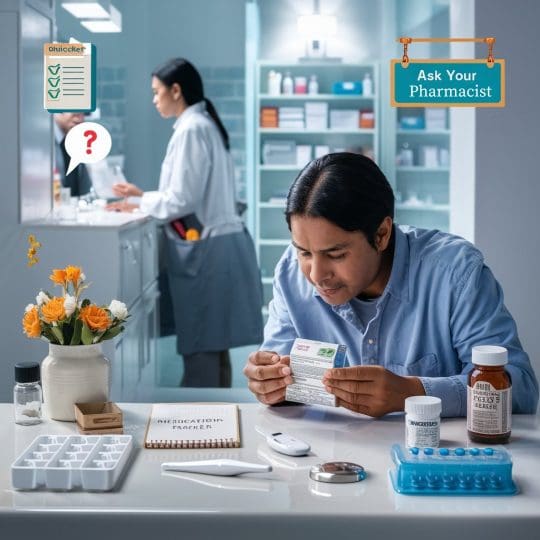
It’s important to know when an issue requires a doctor’s intervention rather than relying on over the counter options.
How to Use OTC Drugs Safely
To get the benefits of OTC drugs while avoiding risks, follow these important guidelines:
✅ Read the Label
Check for dosage instructions, warnings, side effects, and interactions.
✅ Don’t Mix Products Carelessly
Avoid taking two OTC or prescription products with the same active ingredients.
📝 For example, avoid using multiple otc cold medicine products at once unless a pharmacist confirms it’s safe.
✅ Ask a Pharmacist
Pharmacists at your local drug store can offer professional advice about the right meds for your symptoms, and how they might interact with your other prescriptions.
✅ Keep Track of Medications
Maintain a list of all medicines you’re using—OTC, prescription, supplements—especially if you’re seeing multiple healthcare providers.
✅ Don’t Ignore Symptoms
If you’re using common cold over the counter medicine or stomach pain relief longer than 3–5 days without improvement, consult a doctor.
Popular Categories of OTC Medications
Here’s a simple breakdown of the main types of OTC drugs and what they’re used for:
| Category | What It Treats | Common Ingredients |
| Pain Relievers | Headaches, muscle aches | Acetaminophen, Ibuprofen |
| Cold & Flu Relief | Congestion, cough, fever | Dextromethorphan, Pseudoephedrine |
| Digestive Aids | Indigestion, gas, nausea | Simethicone, Bismuth Subsalicylate |
| Allergy Relief | Sneezing, itching | Diphenhydramine, Loratadine |
| Sleep Aids | Insomnia, restlessness | Melatonin, Diphenhydramine |
| Antifungal | Athlete’s foot, yeast infections | Clotrimazole, Miconazole |
Each OTC drug category has its own usage guidelines. Read labels carefully or consult a professional to ensure you’re selecting the right product.
Make Informed Choices with OTC Drugs
OTC drugs have transformed modern self-care. They allow for quick treatment of minor illnesses, save time and money, and provide the freedom to manage your health proactively. But like any powerful tool, they come with responsibilities.
At Heidi Pharmacy, our mission is to guide you in making safe, informed health decisions. Whether you’re picking up over the counter cold medicine, choosing non prescription drugs for allergies, or unsure if it’s time to switch to prescription drugs, our knowledgeable pharmacists are here to help.
🛡️ Remember: Not every symptom should be solved with a pill. Know your options, ask questions, and stay informed.
Visit Heidi Pharmacy Today
We offer a wide range of high-quality OTC drugs, wellness products, and medicines for all your everyday needs. Need help choosing the right product? Speak to our friendly pharmacists for expert advice you can trust.
📍 Drop by your nearest drug store or order online.
📞 Call us anytime for support with your meds.
🌐 Visit our website for educational blogs and health tips.